Private Blood Tests in Barcelona for Confidential Care
Barcelona has a way of making ordinary errands feel lighter. You can step out for coffee, cross a sunlit street in Eixample, and handle something deeply personal before lunch, almost without anyone noticing. That contrast catches many people off guard. Medical privacy, especially around blood work, often feels awkward, exposed, and slow. Yet a private blood test Barcelona experience can be surprisingly discreet when you choose the right clinic or laboratory.
People usually start looking for blood tests when something has shifted. Fatigue that does not make sense. A routine checkup delayed too long. Hormones acting strangely. A doctor back home asking for updated markers while you are living in Spain for a few months. Sometimes the reason is more delicate: sexual health concerns, fertility planning, workplace pressure, anxiety about a family history, or the simple wish to check something without discussing it widely. Confidential care matters most when emotions are already running high.
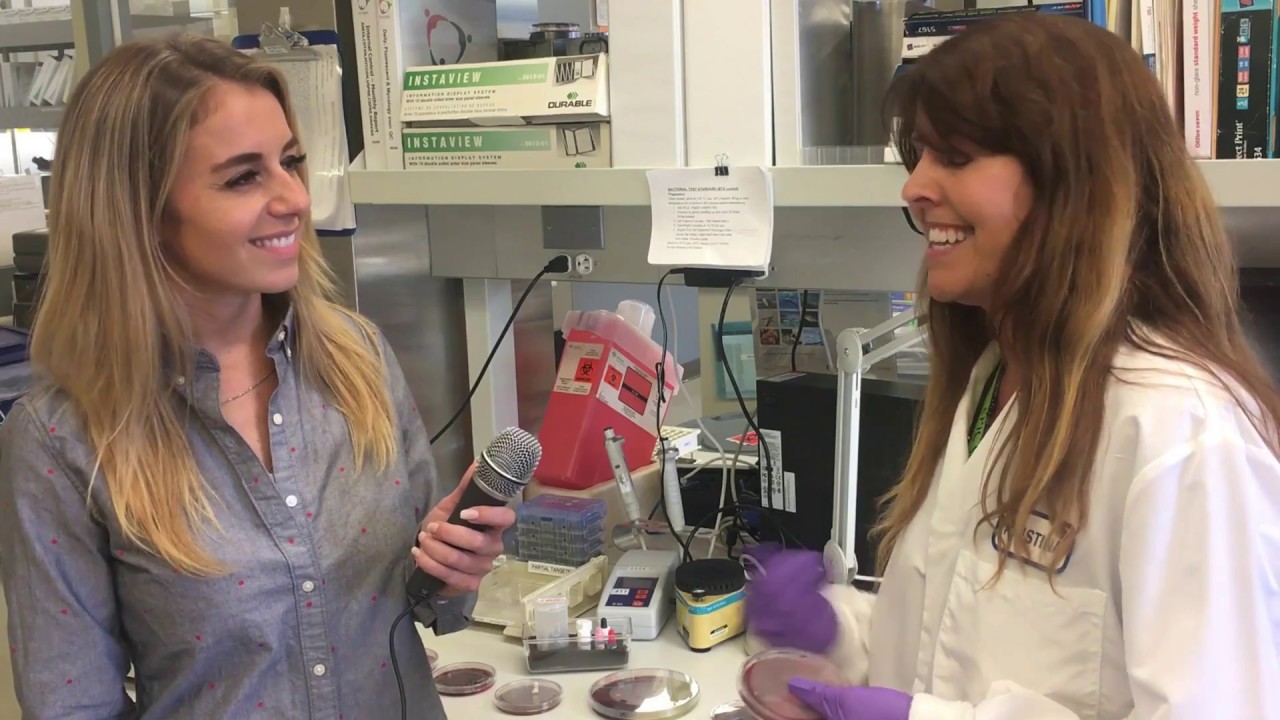
What surprises many first-time patients is not just the speed. It is the normality. A blood test in Barcelona can be arranged quietly, often without the bureaucracy people expect from a large European city. The process may feel closer to booking a haircut than preparing for a hospital visit, provided you know where to go and what to ask before you give your sample.
Why privacy matters more than people admit
Confidentiality sounds like a legal term until you need it. Then it becomes painfully practical. Who sees your name, who receives the results, whether you can pay without involving an insurer, whether your employer, landlord, school, or even family members could somehow become aware of the test. These are not dramatic questions. They are the everyday concerns that keep people delaying care.
Private testing addresses this in a straightforward way. In a private setting, the patient usually has more control over timing, communication, and follow-up. Results can often be sent directly to the patient, sometimes through a secure portal, sometimes by encrypted email, and sometimes collected in person. That sounds simple, but for someone worried about discretion, it changes everything.
I have seen this matter especially for three types of patients. The first is the international resident who does not yet understand the public system and would rather avoid administrative missteps. The second is the traveler or digital nomad who needs fast answers while staying anonymous outside a formal long-term care pathway. The third is the local resident who wants a private blood test Barcelona clinic precisely because they do not want to sit in a crowded waiting room explaining themselves.
There is also a quieter truth. Many people are not sick. They are cautious. They want information before symptoms become undeniable. A confidential blood analysis Barcelona service can give them that without forcing a larger medical journey before they are ready.
What private blood testing in Barcelona usually looks like
The phrase “private blood tests” covers several different realities. Some patients book through a private doctor, who examines them first and orders the appropriate panel. Others go directly to a medical laboratory Barcelona residents already know, asking for self-paid tests. In some cases, a clinic coordinates both, offering consultation, blood draw, and interpretation in one place.
This is where expectations need a little adjustment. Private does not always mean luxurious, and that is not a criticism. The best clinical laboratory Barcelona patients choose is often efficient rather than glamorous. Clean reception. Clear paperwork. A phlebotomist who gets the sample on the first attempt. A result turnaround that is realistic, not exaggerated. That is what counts.
A good private pathway usually includes a few things that are easy to miss when you are stressed. Staff should explain whether fasting is needed, how long results are likely to take, and whether a physician’s order is required for your chosen panel. They should also tell you what happens if one marker comes back abnormal. Some clinics leave patients stranded with a PDF full of numbers. Better ones make follow-up easy, either with an in-house doctor or a referral.
That last point matters. Blood work is information, not a diagnosis by itself. People often expect the report to provide certainty. Instead, it gives context. A raised inflammatory marker, a borderline thyroid result, iron stores at the low end, liver enzymes slightly outside range, these things need interpretation. A private service that handles this responsibly is worth more than a flashy website.
The tests people ask for most often
Requests tend to cluster around a handful of concerns. General wellness panels remain popular, usually including blood count, glucose, kidney function, liver markers, cholesterol, iron studies, and sometimes vitamin B12 or vitamin D. Hormone testing is another frequent reason people seek blood tests Barcelona clinics can arrange discreetly. Thyroid panels, reproductive hormones, testosterone, and menopause-related markers come up often.
Sexual health screening also drives demand for confidential laboratory tests Barcelona providers offer, although not all infections are assessed by blood alone. People are often surprised by that. A blood sample may help screen for HIV, hepatitis, and syphilis, but other concerns can require urine samples or swabs. A competent provider explains the limits of each test rather than letting the patient assume a single tube covers everything.
Then there are very practical cases. A student needs immunization titers. An athlete wants ferritin checked because training has flattened their energy. Someone with a family history of diabetes wants fasting glucose and HbA1c. A woman trying to conceive wants a cycle-specific hormone panel. A man in his forties, feeling “not quite right,” asks for a broad check that ends up revealing sleep deprivation and elevated lipids rather than a dramatic disease. Real life is usually less cinematic than people fear, which is its own form of surprise.
Same-day options, and what “same day” actually means
The phrase same day blood tests Barcelona sounds wonderfully decisive, and sometimes it is accurate. But it deserves interpretation. In practice, “same day” can mean one of three things: same-day appointment availability, same-day sample collection, or same-day results for selected tests. Those are not identical promises.
Routine panels are often processed quickly, especially if the laboratory is handling common chemistry and hematology in-house. Some results may come back later the same day if the sample is drawn early enough. Others require more time because they are batched, sent to a partner facility, or involve more specialized methods. Hormones, allergy testing, autoimmune markers, advanced infectious disease panels, and certain micronutrients can take longer, sometimes a day or several business days depending on the setup.
This is one of the places where honest clinics stand out. They do not simply market urgency. They distinguish between the draw date and the reporting date. If you are flying out tomorrow, ask a direct question: “Which exact results, if any, can I realistically have before I leave?” That small wording change often produces a much clearer answer than “Do you offer same day blood tests Barcelona?”
There is another wrinkle people rarely anticipate. Fasting affects scheduling. If you need twelve hours without food, the practical window for same-day reporting shrinks because the sample should ideally be taken in the morning. Late afternoon walk-ins are convenient, but not always useful for panels that need fasting or quick processing.
Confidential care for visitors, expatriates, and locals
Barcelona’s medical landscape is unusually helpful for mobile lives. That is good news for people who are between systems, between homes, or between languages. A visitor staying for one month and a local resident born in Catalonia may both choose the same private laboratory, but for very different reasons.
Visitors often want speed and a simple invoice. They may need results to email to a doctor in another country. Expatriates usually want continuity. They are building a long-term care record in Spain while still relying partly on physicians elsewhere. Locals, meanwhile, often choose private blood test Barcelona services to bypass waiting times or keep a particular issue separate from their usual care pathway.
Language support can be a hidden factor. Even when your Spanish is perfectly functional for daily life, explaining nuanced symptoms or understanding subtle lab instructions can be another matter entirely. Some private clinics in Barcelona handle this well in English, and occasionally in other languages too. That can reduce errors. Misunderstanding whether a test requires fasting, whether supplements should be paused, or whether a sample must be taken on a certain day of the menstrual cycle can make a perfectly drawn blood sample much less useful.
How to choose a medical laboratory without getting distracted by marketing
The sleekest clinic is not necessarily the safest choice, and the cheapest option is not always poor. Most people need a better filter than price alone. Start with how specific the service is about logistics. A solid medical laboratory Barcelona patients can trust will explain turnaround times test by test, not just with broad promises. It will state whether appointments are needed, whether physician requests are required for some panels, and how results are delivered securely.
Look for calm competence. Reception should be able to answer practical questions without improvising. The blood draw area should be professional and orderly. Staff should verify identity carefully, label samples in front of you, and explain aftercare if you bruise easily or feel faint. None of this is glamorous, yet all of it signals standards.
Interpretation support is the next dividing line. Some people simply need raw data because their own doctor is elsewhere. Others need the laboratory or clinic to close the loop. If you are not medically trained, it helps to ask before booking whether a doctor can review results with you. Many anxious patients assume this is automatic and discover too late that they have purchased only the sampling and report.
A clinical laboratory Barcelona residents return to usually earns trust through consistency. Samples taken on time. Reports delivered when promised. No inflated claims. No panic over minor deviations. This steadiness is more valuable than exaggerated convenience.
The surprising emotional side of a blood test
People talk about blood tests as if they were only technical. In practice, they are emotional events. The sample itself takes minutes. The waiting can distort an entire week. I have watched confident adults become deeply rattled by one pending result, then oddly relieved by the plainness of the actual appointment.
There is something grounding about the process when it is handled well. You arrive, confirm your details, answer a few questions, sit down, extend your arm, and in less than ten minutes the unknown becomes measurable. Surprise, in this context, often comes from discovering that the thing you feared was unmanageable is actually procedural. Not trivial, not meaningless, but manageable.
For patients with needle anxiety, a private setting can make a real difference. A quieter room, fewer people nearby, a phlebotomist who does not rush, and a chair that reclines if needed can change the whole experience. If this is you, say so. Good staff hear it every day. The worst approach is pretending you are fine and then fainting out of pride.
Cost, value, and the temptation to over-test
Private care offers autonomy, but it also creates a trap. When every panel is available, some people buy far more testing than they need. This is common in wellness circles and among anxious internet searchers. More numbers do not automatically mean more clarity. In fact, the opposite can happen. A very broad panel can produce incidental findings that are harmless, borderline, or hard to interpret without context, which then triggers more worry and more testing.
This is where judgment matters. A private blood test Barcelona provider is most useful when it helps narrow the question, not expand it into a fog of irrelevant biomarkers. If your problem is persistent fatigue, there is a sensible starting point. If your concern is fertility timing, there are specific markers that matter more than an “everything” package. If your doctor abroad requested a defined set of laboratory tests Barcelona can perform, following that request may be wiser than adding fifteen extras out of curiosity.
Prices vary widely by clinic, by whether consultation is included, and by how specialized the tests are. Common blood work is usually much more affordable than people expect, especially compared with private https://laboratoriobarcelona.com/ hospital pricing in some other countries. Specialty panels can cost considerably more. The surprise for many patients is not that private testing exists, but that straightforward blood analysis Barcelona services are often financially accessible enough to use without insurance.
Before the appointment, small details that matter
Preparation affects quality more than many people realize. Fasting, hydration, timing of medication, menstrual cycle phase, recent exercise, alcohol intake, and even biotin supplements can influence certain results. That does not mean every test needs elaborate planning. It means you should avoid guesswork.
If you are booking directly with a laboratory, tell them what you are trying to check. Not your life story, just the practical reason. “General health panel,” “thyroid and iron,” “STI screening,” “fertility hormones,” “follow-up for high cholesterol.” This helps staff flag instructions you may not know to ask about.
Hydration is the classic overlooked detail. A well-hydrated patient is usually easier to draw from. Another commonly missed point is timing. Cortisol, testosterone, and some reproductive hormones can be time-sensitive. So can fasting glucose. A late appointment may be convenient but not clinically ideal. Confidential care is not only about keeping things private. It is also about doing them correctly so you do not need to repeat them.
When private testing is not the right tool
This is worth stating clearly. Private laboratory testing is excellent for many scenarios, but it is not emergency care. Chest pain, severe shortness of breath, heavy bleeding, signs of stroke, or acute confusion belong in urgent or emergency settings, not in a tidy private booking workflow.
It is also not a substitute for proper assessment when symptoms are complex. Blood tests can rule in, rule out, or point sideways. They cannot listen to your heart, examine your abdomen, assess your neurologic status, or fully interpret a pattern of symptoms in isolation. Patients are often surprised by how much a normal blood panel can coexist with a problem that still needs medical attention.
On the other hand, private testing can be a smart first move when the issue is stable, non-urgent, and information-driven. The key is matching the tool to the question.
A quiet kind of control
There is a distinct relief in handling health matters discreetly. Not because secrecy is inherently good, but because autonomy matters. Barcelona, for all its noise and movement, offers a surprisingly calm environment for that. You can arrange a blood test in Barcelona with little fuss, receive thoughtful service, and leave with your privacy intact.
For many people, the biggest surprise is not the speed of the city’s private options, though that can be impressive. It is the feeling afterward. The fear that had been vague and oversized becomes a set of numbers, a follow-up call, a plan. Sometimes the results are reassuring. Sometimes they show something that needs action. Either way, confidential testing replaces speculation with evidence.
That shift is powerful. A well-run clinical laboratory, a competent doctor when needed, and clear communication can turn an intimidating step into a very ordinary one. Ordinary, in this case, is a gift. It means health care has done what it should do: make something vulnerable feel handled, private, and possible.